

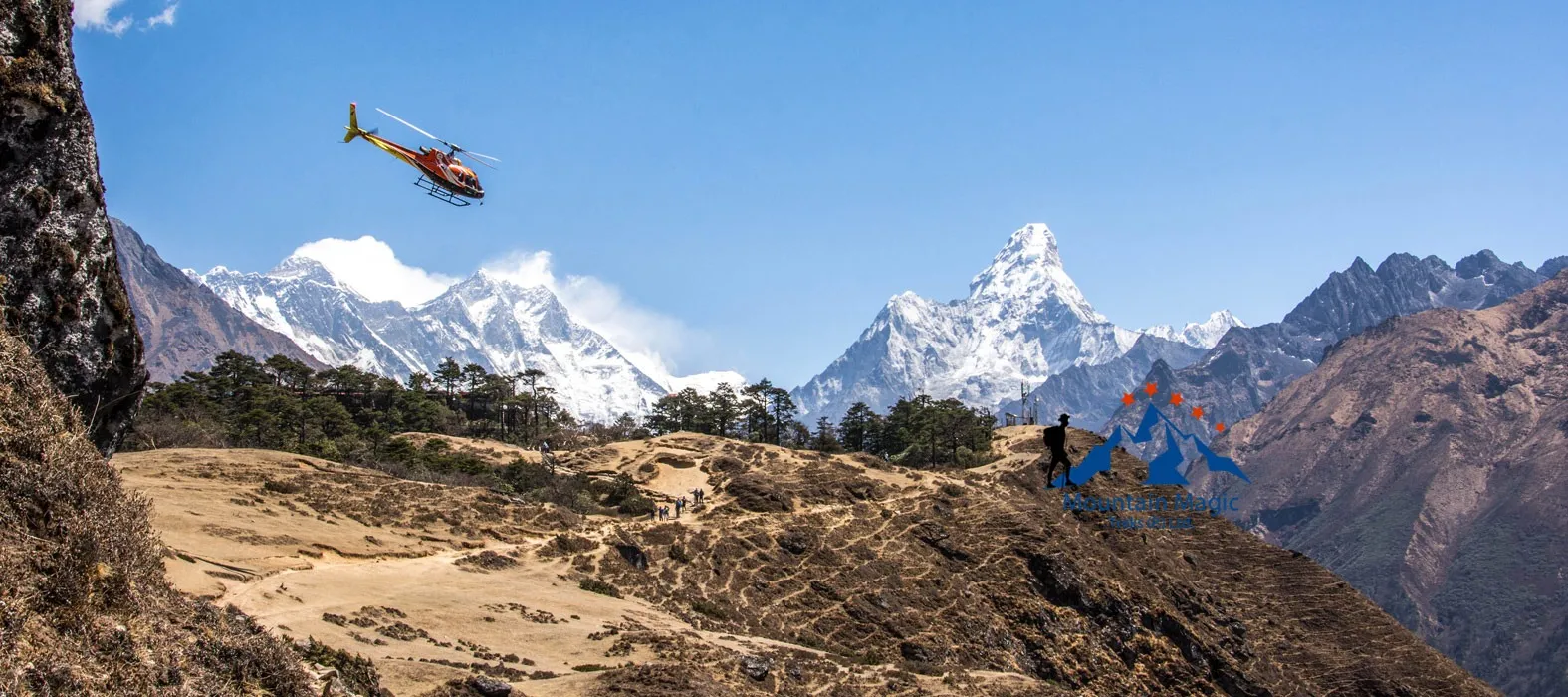
A trekking itinerary often lists destinations and estimated walking hours, but these figures do not tell the whole story. A short distance can take several hours when the trail climbs steeply, crosses uneven ground, or passes through high-altitude terrain. Understanding how distance and walking time are measured helps travelers develop realistic expectations before starting their journey.
The Everest Base Camp Trek with Helicopter Return follows a route through several Khumbu settlements before reaching Gorakshep, Everest Base Camp, and Kala Patthar. Each section has different terrain and elevation conditions, so walking time should be understood as an estimate rather than a fixed schedule.
Why Trail Distance Does Not Tell the Whole Story
Distance measures how far a person travels, but it does not measure the effort required to complete that journey.
A relatively short uphill section can demand more energy than a longer walk across flatter ground.
Factors That Change Walking Time
Several conditions influence how long a trekking section takes:
-
Total elevation gained or lost.
-
Trail surface and slope.
-
Weather and visibility.
-
Walking pace.
-
Number of rest stops.
-
Individual response to altitude.
-
Trail congestion and group movement.
This is why travelers should not compare trekking distances with ordinary road journeys.
Understanding Walking Time Between Major Settlements
The route connects several villages, each serving a different purpose in the journey. Walking estimates can vary depending on the exact lodge, trail conditions, and itinerary.
The following table provides broad planning estimates rather than guaranteed daily timings.
|
Route section |
Approximate walking time |
|
Lukla to Phakding |
3–4 hours |
|
Phakding to Namche Bazaar |
5–7 hours |
|
Namche Bazaar to Tengboche |
5–6 hours |
|
Tengboche to Dingboche |
5–6 hours |
|
Dingboche to Lobuche |
5–7 hours |
|
Lobuche to Gorakshep |
3–4 hours |
Actual times may differ, and additional acclimatization activities or sightseeing stops can change the day’s schedule.
Why the Trail Toward Namche Takes Time
The section between Phakding and Namche Bazaar includes river crossings, settlements, and a substantial climb toward Namche.
Although the distance may appear manageable on a map, the uphill section requires steady physical effort.
Understanding the Final Climb
The trail rises through the Dudh Koshi valley before reaching the higher settlement. Travelers may need several short pauses during the ascent.
The time required depends on walking pace, trail conditions, and how the body responds to the elevation gain.
A realistic schedule should allow enough time for the group to reach the destination without rushing.
How High Elevation Changes Walking Speed
Walking performance often changes as the route moves higher. Lower oxygen availability can make breathing and physical effort more demanding.
A traveler who comfortably walks several kilometers near sea level may need more time to cover a shorter distance above 4,000 meters.
Why Slower Progress Is Not a Problem
At high elevation, a steady pace is generally more practical than trying to maintain a fast speed.
Travelers should pay attention to breathing, fatigue, and symptoms rather than comparing their speed with other group members.
The Everest Base Camp Trek with Helicopter Return includes high-altitude sections near Lobuche and Gorakshep, where realistic timing is particularly important.
Understanding Rest Stops and Daily Schedules
Walking hours usually refer to estimated time on the trail. They may not include every meal break, photography stop, or extended rest period.
A full trekking day can therefore be longer than the stated walking estimate.
Why Guides May Adjust Departure Times
Guides may change departure times based on weather, group conditions, trail circumstances, and the planned overnight destination.
Early departures can be useful for reaching certain locations with sufficient daylight. However, an early start should not be used to justify walking too quickly.
A well-managed schedule balances available daylight with the group’s physical condition.
Why the Gorakshep Section Needs Flexible Timing
Gorakshep is approximately 5,164 meters above sea level. The terrain around the settlement is exposed, rocky, and located in a high-altitude environment.
Walking times may be affected by cold temperatures, trail conditions, and individual altitude responses.
Planning the Everest Base Camp and Kala Patthar Walks
The walk from Gorakshep to Everest Base Camp and the climb toward Kala Patthar are separate activities with different terrain and elevation demands.
Travelers should follow the guide’s instructions about timing, weather, and health conditions.
Reaching both destinations should never take priority over a person’s safety. If altitude symptoms develop, the planned activity may need to change.
How Helicopter Scheduling Differs From Trekking Time
A helicopter journey does not follow the same timing rules as a walking route. Flight operations depend on weather, visibility, aircraft availability, passenger arrangements, and operational limitations.
The return journey from Gorakshep to Kathmandu is therefore subject to conditions at the time of departure.
Why Travelers Should Keep Their Schedule Flexible
Mountain weather can change quickly. A flight may be delayed, rescheduled, or affected by other operational factors.
Travelers should avoid arranging an important international departure immediately after the planned helicopter return without allowing sufficient flexibility.
The Everest Base Camp Trek with Helicopter Return reduces the need to walk the entire return route when the flight operates, but it does not remove uncertainty from mountain travel.
Questions to Ask Before Confirming the Itinerary
A useful itinerary should explain the planned route and provide realistic estimates for each walking section.
Before departure, travelers can confirm:
-
Approximate walking hours for each day.
-
Planned overnight settlements.
-
Acclimatization arrangements.
-
Expected departure times.
-
Whether sightseeing walks are included.
-
Helicopter departure arrangements.
-
What happens if flight operations are delayed.
These details make it easier to understand the actual structure of the trip instead of relying only on the total number of days.
Final Thoughts
Walking distance and travel time are connected, but they are not the same measure of difficulty. Elevation gain, trail conditions, weather, rest periods, and individual health all influence how long a trekking section takes.
During the Everest Base Camp Trek with Helicopter Return, travelers should treat walking estimates as planning guides rather than strict deadlines. A flexible schedule, realistic expectations, and clear communication with the trekking guide help make each stage safer and better organized.
Frequently Asked Questions
1. How many hours do travelers walk each day?
Many walking days involve approximately five to seven hours of activity, although the duration varies by route section and conditions.
2. Does a short trekking distance always mean an easy day?
No. Steep climbs, rocky surfaces, and high elevation can make short distances physically demanding.
3. Are trekking time estimates guaranteed?
No. They are approximate planning figures and may change because of weather, trail conditions, walking pace, or health considerations.
4. How long does the walk from Lobuche to Gorakshep take?
It commonly takes around three to four hours, depending on conditions and individual pace.
5. Can bad weather delay the helicopter return?
Yes. Weather, visibility, aircraft availability, and operational conditions can affect helicopter schedules.