

Participation in sports offers far more than physical fitness or competitive success. Across ages and skill levels, athletic involvement systematically develops two foundational personal qualities: confidence and discipline. These attributes emerge through structured practice, repeated challenges, measurable progress, and the demands of commitment. Research consistently links sports participation to higher self-esteem, greater resilience, improved self-control, and stronger psychological well-being, with benefits that extend into academic, professional, and social domains.
Building Confidence Through Mastery and Challenge
Confidence in sports arises primarily from mastery experiences—repeated opportunities to attempt skills, receive feedback, and observe gradual improvement. When individuals learn to execute a pass more accurately, improve endurance, refine technique, or perform under pressure, they gain concrete evidence of their capabilities. This process creates an internal sense of competence that is less dependent on external praise or comparison.
Overcoming setbacks further strengthens this foundation. Sports provide controlled exposure to failure: a missed shot, a lost match, or a difficult training session. Learning to analyze mistakes, adjust, and return with renewed effort fosters resilience and reduces fear of failure. Athletes come to view challenges as opportunities for growth rather than threats. Preparation plays a central role as well. Consistent practice builds the knowledge that one is ready to perform, while positive reinforcement from coaches and teammates reinforces belief in ability.
Systematic reviews of sports participation in children, adolescents, and adults show associations with higher self-esteem, greater life satisfaction, and lower symptoms of anxiety and depression. Team sports often amplify these effects through social support and shared achievement, while individual sports emphasize self-efficacy—the belief in one’s capacity to handle demands independently. In both cases, confidence becomes a transferable skill that supports performance and decision-making beyond the field or court.
Developing Discipline Through Routine and Accountability
Discipline develops through the structured demands of sports. Training schedules require showing up on time, completing warm-ups, following instructions, and maintaining focus even when motivation fluctuates. These routines strengthen executive functions related to planning, impulse control, and sustained attention. Athletes learn that progress depends on consistency rather than sporadic effort.
Commitment to long-term goals trains delayed gratification. Improvement in skill, fitness, or performance rarely arrives overnight; it requires persistent work across weeks and months. This process mirrors broader life requirements, such as academic study or professional development. Following rules, respecting coaches and teammates, and accepting responsibility for equipment or roles further cultivate accountability. Athletes experience the direct link between effort and outcomes, reinforcing a work ethic grounded in personal agency.
Sports also demand emotional and mental discipline. Maintaining composure under pressure, managing disappointment after losses, and supporting teammates despite personal setbacks build poise and self-regulation. These habits of self-control and perseverance contribute to grit—the combination of passion and sustained effort toward meaningful goals.
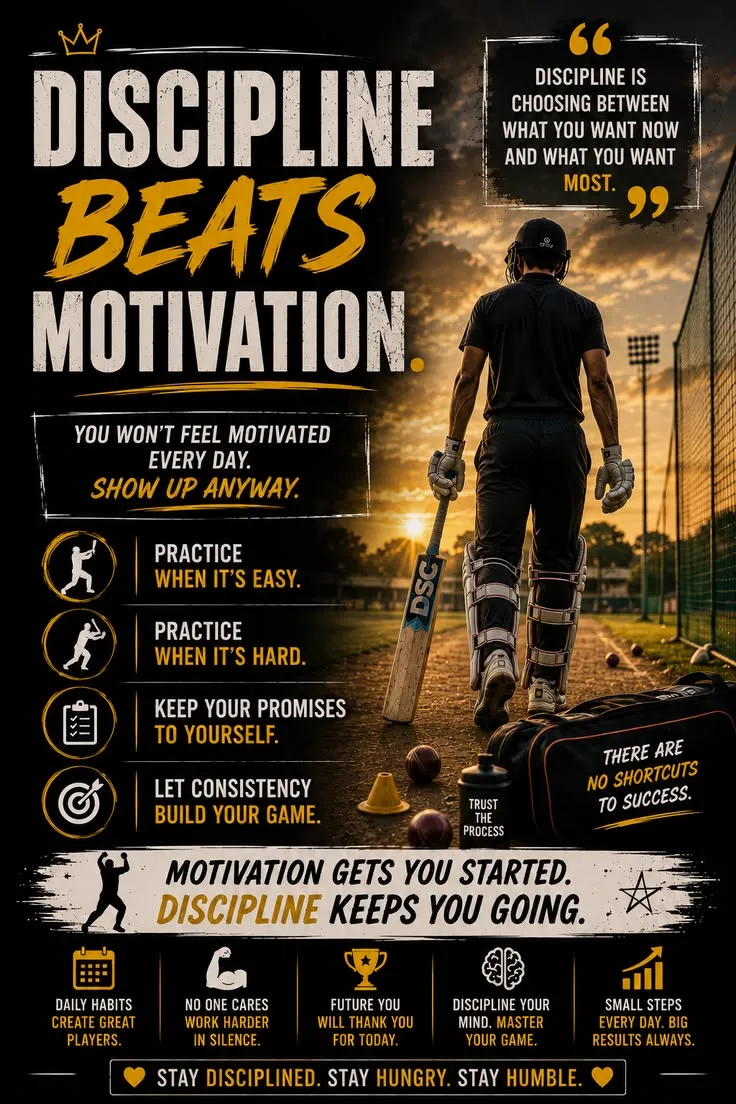
The Interplay of Confidence and Discipline
Confidence and discipline reinforce each other. Discipline creates the conditions for mastery experiences that generate confidence. Confidence, in turn, sustains the motivation needed for continued disciplined practice. Setting realistic short-term goals and celebrating incremental progress creates positive feedback loops. As athletes see tangible results from their commitment, belief in their ability grows, encouraging further dedication.
Both individual and team environments contribute uniquely. Individual sports place full responsibility on the participant, sharpening self-reliance and personal accountability. Team sports add layers of interdependence, communication, and collective responsibility, teaching that individual discipline supports group success. In either setting, the environment provides repeated, manageable encounters with pressure, feedback, and evaluation that accelerate personal growth.
Lasting Benefits Across Life Stages
The skills cultivated through sports participation prove durable. Adults who engaged in sports during youth often report carrying forward lessons in teamwork, leadership, handling pressure, and learning from mistakes. For children and adolescents, sports offer a safe context for developing self-worth and behavioral regulation at formative stages. For adults, continued involvement supports ongoing psychological well-being, social connection, and self-control.
These outcomes do not require elite performance or championship titles. Recreational and developmental participation deliver meaningful gains when the emphasis remains on effort, improvement, and process rather than solely on winning. Coaches and parents who highlight measurable progress—better technique, greater consistency, improved communication—help participants internalize the value of disciplined practice.
Practical Implications for Development
Recognizing how sports build confidence and discipline encourages intentional engagement. Selecting activities that match interest and ability, maintaining regular involvement, focusing on controllable factors such as preparation and attitude, and reflecting on progress all enhance the developmental return. The combination of physical challenge, structured routine, social interaction, and opportunities for mastery creates a powerful environment for personal growth.
Sports serve as a practical laboratory for character development. Through the dual processes of building competence via mastery and cultivating self-regulation via routine, participants develop confidence rooted in real capability and discipline grounded in consistent action. These qualities support success and well-being far beyond athletic settings, equipping individuals with resilient mindsets and reliable habits that serve them throughout life.
Read more- marathimeanings.com